Page Not Found Minnesota Nursing Home Abuse and Neglect Attorney Kenneth LaBore
Nursing home abuse and neglect are unfortunately more common than you may want to think. According to the World Health Organization between 2017 and 2018, 1 in 6 adults aged 60 or older suffered some type of abuse while in a community setting, like a nursing home. This statistic is most likely higher as nursing home abuse, and elder abuse, in general, go greatly underreported. Physical abuse occurs when someone intentionally uses physical force and causes pain, illness, distress, impairment, or death to an elderly person. This form of abuse includes acts such as pushing, slapping, hitting, kicking, or burning. Those we spoke to described a confusing legal system that at times seemed stacked against birth families trying to reunite and inured to the pain of long-term family separation.
This can help them see the positive changes they can experience, and open them up to considering alternative care. For example, encourage them to try housekeeping help for a month or a meal delivery service for a few weeks. Sometimes a peer or a neutral party, such as a geriatric care manager, may have a better chance of getting through. Offer to stay with the elder so the caregiver can have a break—on a regular basis, if possible. The damages, typically the resident’s injuries, will often be proven by the use of medical records and bills.
Burnout of Nursing Staff
Nursing Home Abuse Justice was founded to shine a light on nursing home and elder abuse. Every day, thousands of people in nursing homes and assisted living facilities are abused. Our team helps educate seniors and their loved ones on the common causes, signs and preventions of nursing home abuse. We report on real-world studies and current events from respected news outlets to expose this national problem. At NursingHomesAbuse.org, our mission is to help the countless nursing home residents who have suffered abuse and neglect by those entrusted with their care. Abuse of senior citizens in nursing homes and assisted living facilities is widespread and often goes unreported.
One in 50 children here experienced the severing of their relationships with both of their parents from 2015 to 2019, the last full year of federal child welfare data available before the pandemic. For most of them, it occurred within 11 months of being removed from their home for the first time. Twenty-five years ago, Congress passed a law aimed at speeding up adoptions for children languishing in foster care.
Join Our Newsletter
You can also take steps to prevent the scenarios described below from happening to your loved one. Signs of elder abuse can be difficult to recognize or mistaken for symptoms of dementia or the elderly person's frailty—or caregivers may explain them to you that way. In fact, many of the signs and symptoms of elder abuse do overlap with symptoms of mental deterioration, but that doesn't mean you should dismiss them on the caregiver's say-so. Nursing home abuse and neglect can happen anywhere, including in nursing homes and assisted living homes where families believe their loved ones are safe. This brief will examine existing data despite the gap in reported abuse.

NHLC LLC has a network of recognized attorneys located across the country who have experience representing clients in all types of nursing home injury cases. References to "NHLC attorneys" or "our attorneys" are references to attorneys within NHLC's network, and not employees, agents, or partners of NHLC. Please consult the disclaimer page for further information concerning NHLC. All information on this site shall be considered 'attorney advertising' and not construed as legal advice. Prior case results should not be relied on when retaining a lawyer. About 20% of deaths occur in long-term care facilities like nursing homes.
What is the long-term effect of abuse?
The contact form sends information by non-encrypted email, which is not secure. Submitting a contact form, sending a text message, making a phone call, or leaving a voicemail does not create an attorney-client relationship. Preventable Serious Injuries Caused by Neglect and Abuse The number of people living in group home facilities is growing daily. Nonprofit organizations or government agencies usually run these community residences. You can report suspected group home abuse to Adult Protective Services.
In fact, many residents will let family members know that they want to go home. What isn’t normal, on the other hand, is when your loved one’s disposition suddenly changes. If you notice that your loved one has drastic changes in his or her personality, or if you sense a tension between your loved one and a caregiver, you need to look for additional signs of nursing home abuse. Preventing nursing home abuse and neglect is becoming more and more important. There are many things that nursing homes and other long-term care facilities can do to prevent elder abuse and neglect. There are over three million adults currently living in nursing homes and long-term care facilities in the United States.
Sexual abuse warning signs
They house individuals with disabilities, mental illness, substance use disorders, or developmental delays. Unfortunately, many of these homes do not offer adequate supervision or protection. Many people who live in group home settings suffer from disabilities. Regardless of where someone lives, however, they are still vulnerable to group home abuse.
This can occur by delaying responses to serious problems and concerns or withholding information from them. Administrators of long-term care facilities make decisions that affect the standard of care residents receive. In 2020, the New York Times reported on a facility in California that kicked out a resident with dementia and dropped him off at a halfway house.
If your loved one is an assisted living facility or nursing home resident in Chicago and you’ve witnessed any of the aforementioned unexplained injuries or a decline in mental health, call our offices for a free legal case review. When nursing homes or assisted living facilities fail to provide proper care and the nursing home staff members’ negligence causes a decline in health conditions, your loved one could be entitled to significant compensation. Selecting a nursing home or assisted living facility for your loved one is often a stressful and draining task. Family members will often visit several nursing homes or assisted living facilities and conduct as much research as possible to ensure they’re making the best possible decision for their loved one. For this reason, it’s important for anyone whose loved one is an assisted living facility or nursing home resident to know the warning signs of nursing home abuse or neglect.
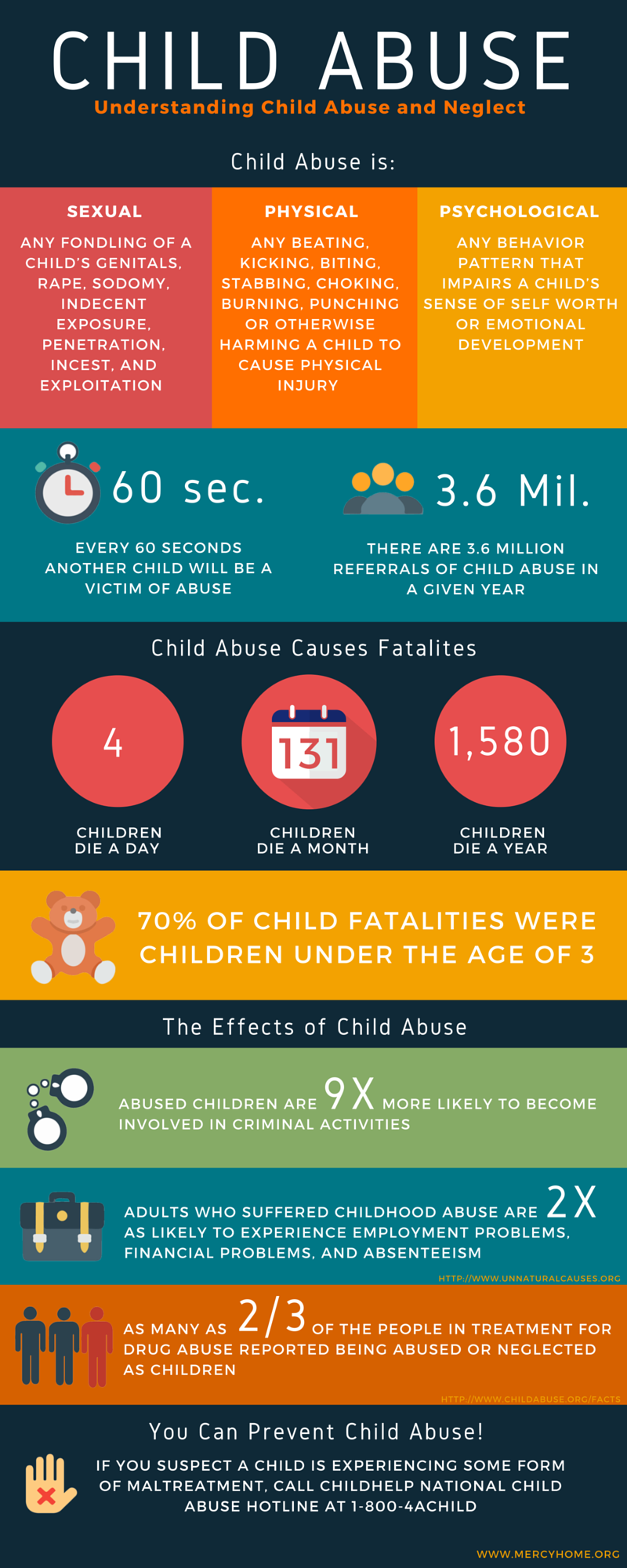
Physical abuse can be committed against any resident, but those with cognitive disorders such as Alzheimer’s disease may be at higher risk. Physical elder abuse is when someone uses physical force against an older person, resulting in physical harm or personal injury. Nursing home abuse can be perpetrated by nursing home staff members, such as nurses and other caregivers, or by other residents. From medical care and community life to assisting with daily activities, nursing homes provide valuable services and can promote the well-being of older persons in many ways. You may also be able to hold nursing homes accountable for abuse or neglect through legal action — learn more with a free case review.
Likely targets are older adults who have no family or friends nearby and people with disabilities, memory problems, or dementia. There are many other, less obvious types of emotional abuse, including verbal abuse, isolation, neglect, and threats. Emotional Abuse The term "emotional group home abuse" refers to how people treat each other in a family setting.


Comments
Post a Comment